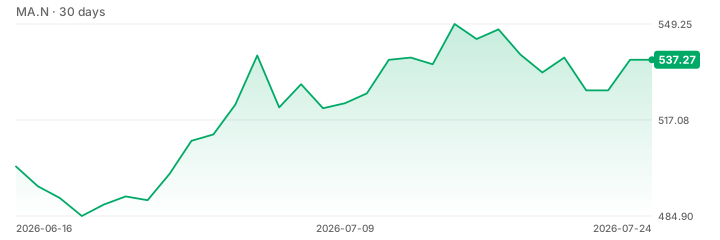
Mastercard reported second-quarter net income of $4.4 billion, or $4.97 per share, surpassing Wall Street expectations as robust transaction volumes underscored the resilience of global consumer spending.
The results arrived despite ongoing fears that geopolitical tensions and broader macroeconomic uncertainty could dampen discretionary expenditure.
Instead, steady spending patterns sustained volume growth, allowing the payment processor to deliver a beat on consensus estimates.
This performance mirrors recent trends across the payments sector, with rival Visa also reporting higher profits driven by similar resilient consumer behavior.
The convergence of strong results from both major networks suggests that the structural shift toward digital payments continues to insulate these companies from short-term economic volatility.
Investors will now look to upcoming earnings calls for guidance on the second half of the year, particularly regarding any potential lag effects from current geopolitical risks on cross-border transaction volumes.