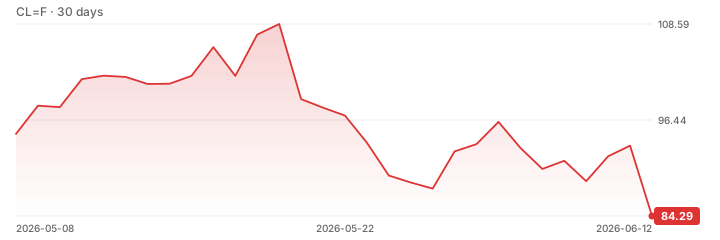
Crude oil prices climbed more than $1 a barrel in post-settlement trade on Wednesday following reports that the US military has initiated a new round of strikes against targets in Iran.
The escalation marks a significant deterioration in the security environment, reversing earlier diplomatic progress and reigniting fears that the conflict could drag on and severely disrupt global energy flows.
This development follows a period of heightened tension in the Strait of Hormuz, where Iran had previously warned oil tankers to use approved routes or face forceful responses.
Brent and WTI benchmarks, which had settled at their highest levels in over two weeks, extended their gains as traders priced in a renewed risk premium.
The immediate reaction underscores the market's sensitivity to any direct military engagement involving Iran, a major oil producer whose export infrastructure remains a critical node in global supply chains.
This development follows a period of heightened tension in the Strait of Hormuz, where Iran had previously warned oil tankers to use approved routes or face forceful responses.
The fresh strikes complicate the outlook for shipping normalization, keeping risk premiums elevated despite earlier signs of de-escalation.
Investors are now closely monitoring the scope of the US military operation and any potential retaliatory measures from Tehran.
The situation adds to existing concerns about the adrift Iranian oil cargoes and the broader uncertainty surrounding Middle East energy exports.
The next key catalyst will be official statements from both Washington and Tehran regarding the objectives of the strikes and any potential ceasefire negotiations.
Markets will also watch for updates on shipping activity in the Strait of Hormuz and any immediate impact on Iranian export volumes.