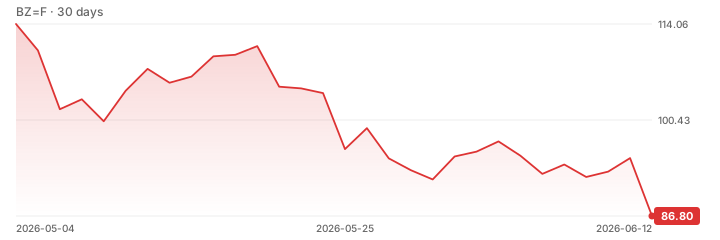
Brent crude is trading close to the $100 per barrel threshold, yet a growing consensus among market participants suggests that the peak of inflationary anxiety may have already passed.
Despite the ongoing military conflict in Iran, investors are shifting focus from immediate supply shortages to the anticipated market response, betting that production adjustments will eventually stabilize prices.
The Australian Financial Review reports that while bond markets have reacted to rising energy costs and re-emerging inflation risks, the narrative is evolving.
Central banks remain data-dependent, but the market is beginning to price in the likelihood that supply-side mechanisms will mitigate the long-term impact of the geopolitical disruption.
This repricing comes as U.S. retailers warn that the conflict is triggering broader inflationary pressures that could extend beyond energy into consumer goods and services.
The risk of a secondary inflation wave has kept vigilance high across global supply chains, with companies bracing for potential margin compression.